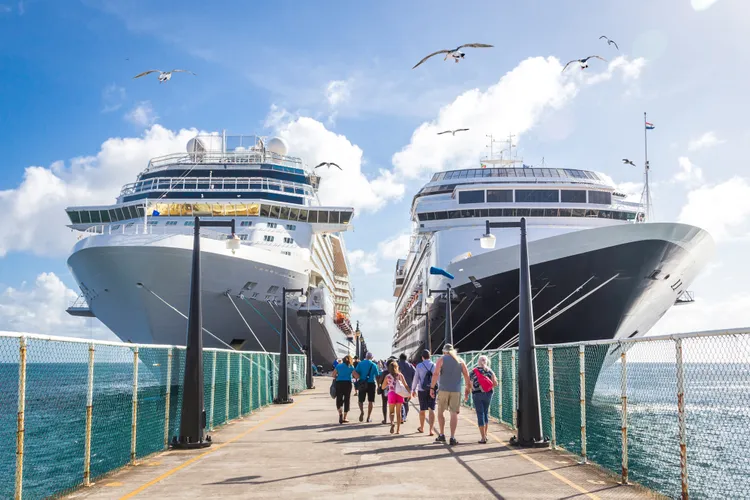
Imagine watching your cruise ship sail off into the sunset without you, leaving you stranded on a dock. It’s a rare but real scenario for travelers who fail to return to port on time during a cruise. While cruise ships operate on tight schedules and won’t wait for late passengers, understanding the risks and taking precautions can help you avoid becoming one of the infamous “pier runners” desperately sprinting to catch their departing ship. Here’s a detailed guide on what happens if you miss your cruise, why it happens, and how to prevent it.
What Happens If You’re Left Behind?
If you don’t make it back to the ship by the designated “all aboard” time, the cruise will likely depart without you, especially if you’re not on a cruise-sponsored shore excursion. This is uncommon but most often affects travelers who explore ports independently and lose track of time. Cruise ships adhere to strict schedules, and delays can cost thousands of dollars while disrupting port logistics and affecting thousands of other passengers.
Just like an airplane can take off without every passenger, a cruise ship can leave without you. Legally, the cruise line isn’t obligated to wait. In 2024, for example, eight passengers on a Norwegian Cruise Lines voyage were stranded on São Tomé and Príncipe off West Africa after missing the ship’s departure. The cruise line issued a statement:
If guests fail to return to the ship by the designated all-aboard time, we follow standard procedure by delivering their passports to the local port agent for retrieval upon their return to the port. Our team works closely with local authorities to understand requirements and necessary visas for guests to rejoin the ship at the next available port. As these guests were on a private tour and did not return by the notified all-aboard time, they are responsible for arranging their own travel to rejoin the ship at the next port, per our policy.
Despite such stories, being left behind is rare. Having cruised extensively from Antarctica to the Arctic, including a 32-day Northwest Passage journey, I’ve never personally witnessed anyone being stranded during my travels.
Who Gets Left Behind?
Passengers left behind are rarely those booked on cruise-line-sponsored shore excursions. These excursions are tightly coordinated, often with a crew member accompanying the group to ensure timely communication with the ship. If a cruise-sponsored tour runs late, the ship will typically wait, as the cruise line is responsible for those passengers. Most excursions are planned with precision, including buffer time for unexpected delays. For instance, if a ship is set to depart at 7:00 PM, the last excursion might return by 5:00 PM to ensure everyone is back on board.
However, the risk increases if you book third-party excursions or explore independently. Third-party operators vary in reliability, and while many guarantee timely returns, it’s not foolproof. Independent travelers, or “pier runners,” are the most likely to miss the ship due to misjudging time or facing unexpected delays.
Why Won’t the Ship Wait?
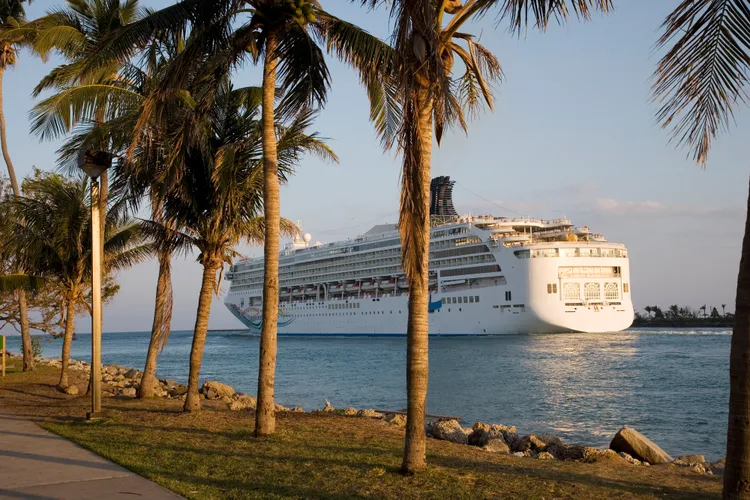
Cruise ships operate on rigid schedules, much like airlines. Ports charge hefty fees for docking, and slots are tightly allocated—when one ship leaves, another often takes its place. Additionally, ships rely on local pilot boats and tenders to navigate in and out of ports, and delays can create a ripple effect, impacting other ships, passengers, and logistics. Waiting for a few late passengers could cost tens of thousands of dollars and disrupt the entire itinerary.
When Do You Need to Be Back on Board?
Each cruise line has its own policy for return times, typically communicated clearly to passengers. If the ship uses tenders to ferry passengers from shore to ship, you may need to be back at least an hour before departure. If the ship is docked directly at a pier, allowing passengers to walk on board, the cutoff might be as little as 30 minutes before sailing. To avoid confusion, cruise lines provide daily newsletters (often delivered to your cabin the night before) that specify the all-aboard time for each port. These times are also announced over the ship’s intercom and posted on signs as you disembark.
What to Do If You’re Left Behind
If you miss the ship, don’t panic—there are steps you can take to minimize the fallout:
- Contact the Port Agent: Head to the local port agent’s office immediately. They can assist in contacting the cruise line and retrieving your passport, which the ship will leave with them per standard procedure.
- Carry Identification: Always have a copy of your ID or passport with you to simplify the process of proving your identity.
- Plan to Rejoin the Ship: The cruise line won’t return for you, but they’ll likely work with you to arrange reboarding at the next port. However, unless you were on a cruise-sponsored excursion, you’re responsible for all associated costs, such as flights, accommodations, and visas.
- Check Your Travel Insurance: Contact your insurance provider to see if they cover expenses related to missing the ship. Keep all receipts for potential reimbursement.
- Get to the Next Port: Arrange travel to the ship’s next scheduled port as quickly as possible to rejoin the cruise.
How to Avoid Being Left Behind
To steer clear of the dreaded “pier runner” sprint, follow these tips:
- Book Cruise-Sponsored Excursions: These are the safest option, as the ship will wait if the tour runs late.
- Choose Reliable Third-Party Operators: If booking through a third party, select reputable companies that guarantee timely returns to the ship.
- Set Your Clock to Local Time: Ensure your phone or watch is set to the local time zone to avoid confusion. A one-hour time difference can make or break your return.
- Stay Connected: Subscribe to the cruise line’s notifications or purchase a data plan to receive updates via text or email about all-aboard times.
- Plan with Buffer Time: If exploring independently, aim to return to the port well before the all-aboard time to account for unexpected delays.
Final Thoughts
Missing a cruise ship is a rare but stressful experience that can be avoided with careful planning. By sticking to cruise-sponsored excursions, keeping track of time, and staying informed about the ship’s schedule, you can ensure you’re safely on board when the ship sets sail. Don’t let the fear of being left behind deter you from enjoying your cruise—just take these precautions to travel with peace of mind.
Home
detail
What Happens If You Miss Your Cruise Ship
2025-09-09T14:29:32
Imagine watching your cruise ship sail off into the sunset without you, leaving you stranded on a dock. It’s a rare but real scenario for travelers who fail to return to port on time during a cruise. While cruise ships operate on tight schedules and won’t wait for late passengers, understanding the risks and taking precautions can help you avoid becoming one of the infamous “pier runners” desperately sprinting to catch their departing ship. Here’s a detailed guide on what happens if you miss your cruise, why it happens, and how to prevent it.
What Happens If You’re Left Behind?
If you don’t make it back to the ship by the designated “all aboard” time, the cruise will likely depart without you, especially if you’re not on a cruise-sponsored shore excursion. This is uncommon but most often affects travelers who explore ports independently and lose track of time. Cruise ships adhere to strict schedules, and delays can cost thousands of dollars while disrupting port logistics and affecting thousands of other passengers.
Just like an airplane can take off without every passenger, a cruise ship can leave without you. Legally, the cruise line isn’t obligated to wait. In 2024, for example, eight passengers on a Norwegian Cruise Lines voyage were stranded on São Tomé and Príncipe off West Africa after missing the ship’s departure. The cruise line issued a statement:
If guests fail to return to the ship by the designated all-aboard time, we follow standard procedure by delivering their passports to the local port agent for retrieval upon their return to the port. Our team works closely with local authorities to understand requirements and necessary visas for guests to rejoin the ship at the next available port. As these guests were on a private tour and did not return by the notified all-aboard time, they are responsible for arranging their own travel to rejoin the ship at the next port, per our policy.
Despite such stories, being left behind is rare. Having cruised extensively from Antarctica to the Arctic, including a 32-day Northwest Passage journey, I’ve never personally witnessed anyone being stranded during my travels.
Who Gets Left Behind?
Passengers left behind are rarely those booked on cruise-line-sponsored shore excursions. These excursions are tightly coordinated, often with a crew member accompanying the group to ensure timely communication with the ship. If a cruise-sponsored tour runs late, the ship will typically wait, as the cruise line is responsible for those passengers. Most excursions are planned with precision, including buffer time for unexpected delays. For instance, if a ship is set to depart at 7:00 PM, the last excursion might return by 5:00 PM to ensure everyone is back on board.
However, the risk increases if you book third-party excursions or explore independently. Third-party operators vary in reliability, and while many guarantee timely returns, it’s not foolproof. Independent travelers, or “pier runners,” are the most likely to miss the ship due to misjudging time or facing unexpected delays.
Why Won’t the Ship Wait?
Cruise ships operate on rigid schedules, much like airlines. Ports charge hefty fees for docking, and slots are tightly allocated—when one ship leaves, another often takes its place. Additionally, ships rely on local pilot boats and tenders to navigate in and out of ports, and delays can create a ripple effect, impacting other ships, passengers, and logistics. Waiting for a few late passengers could cost tens of thousands of dollars and disrupt the entire itinerary.
When Do You Need to Be Back on Board?
Each cruise line has its own policy for return times, typically communicated clearly to passengers. If the ship uses tenders to ferry passengers from shore to ship, you may need to be back at least an hour before departure. If the ship is docked directly at a pier, allowing passengers to walk on board, the cutoff might be as little as 30 minutes before sailing. To avoid confusion, cruise lines provide daily newsletters (often delivered to your cabin the night before) that specify the all-aboard time for each port. These times are also announced over the ship’s intercom and posted on signs as you disembark.
What to Do If You’re Left Behind
If you miss the ship, don’t panic—there are steps you can take to minimize the fallout:
- Contact the Port Agent: Head to the local port agent’s office immediately. They can assist in contacting the cruise line and retrieving your passport, which the ship will leave with them per standard procedure.
- Carry Identification: Always have a copy of your ID or passport with you to simplify the process of proving your identity.
- Plan to Rejoin the Ship: The cruise line won’t return for you, but they’ll likely work with you to arrange reboarding at the next port. However, unless you were on a cruise-sponsored excursion, you’re responsible for all associated costs, such as flights, accommodations, and visas.
- Check Your Travel Insurance: Contact your insurance provider to see if they cover expenses related to missing the ship. Keep all receipts for potential reimbursement.
- Get to the Next Port: Arrange travel to the ship’s next scheduled port as quickly as possible to rejoin the cruise.
How to Avoid Being Left Behind
To steer clear of the dreaded “pier runner” sprint, follow these tips:
- Book Cruise-Sponsored Excursions: These are the safest option, as the ship will wait if the tour runs late.
- Choose Reliable Third-Party Operators: If booking through a third party, select reputable companies that guarantee timely returns to the ship.
- Set Your Clock to Local Time: Ensure your phone or watch is set to the local time zone to avoid confusion. A one-hour time difference can make or break your return.
- Stay Connected: Subscribe to the cruise line’s notifications or purchase a data plan to receive updates via text or email about all-aboard times.
- Plan with Buffer Time: If exploring independently, aim to return to the port well before the all-aboard time to account for unexpected delays.
Final Thoughts
Missing a cruise ship is a rare but stressful experience that can be avoided with careful planning. By sticking to cruise-sponsored excursions, keeping track of time, and staying informed about the ship’s schedule, you can ensure you’re safely on board when the ship sets sail. Don’t let the fear of being left behind deter you from enjoying your cruise—just take these precautions to travel with peace of mind.