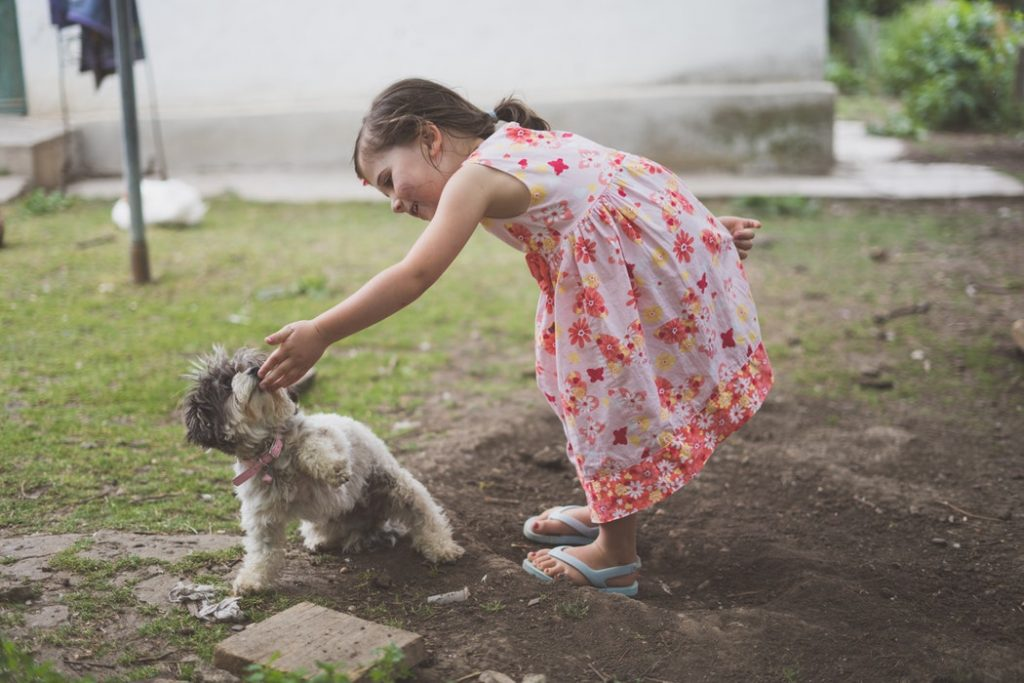
Most children will, at some point, beg their parents for a puppy. But when is the right time to bring a dog into your family? After all, raising a puppy is a significant responsibility. With parents often busy at work and children tied up with school and extracurricular activities, there may not be much time to care for a pet. Puppies require a lot of love and attention throughout the day. If no one is around to provide that, your furry friend could end up feeling neglected. Therefore, deciding to get a puppy is an important family choice. To help you make this decision, here are five practical ways to assess whether now is the ideal time to get a puppy for your child.
1) The Family Has Reached a Consensus
Before bringing home a puppy, it’s essential that everyone in the family agrees on the idea. A dog will impact every member’s daily life, as each person will need to contribute to its care in some way. Start by having an open discussion with your family about the responsibilities involved, and make sure your child understands what will be expected of them. Family members should recognize that a puppy needs regular affection, cleaning, walks, and feeding. When you’re ready to proceed, take the whole family to a local pet store or animal shelter to explore options. Allow your child to interact with the puppies there—let them observe which ones they connect with. If you have any questions about pet ownership, don’t hesitate to ask the staff for advice; they’re usually knowledgeable and happy to help.
2) Your Child Shows Genuine Interest in Puppies and Animals
As children grow older, they become more aware of the world around them. They develop empathy for those in need, including other people and animals, and may start wanting to protect and care for them. Once a child reaches this stage of emotional maturity, they might express a real interest in having a pet. However, it’s crucial to educate them first about the responsibilities that come with pet ownership, such as bathing the dog, feeding it on schedule, and taking it for walks. This ensures they’re not just excited about the idea but prepared for the commitment.
3) Your Child Has Friends with Pets
Your child might have friends at school or in the neighborhood who already own pets. This exposure can spark their curiosity about animals and give them hands-on experience in interacting with them. Children learn a great deal through social interactions and shared interests, so seeing how their friends care for their pets can inspire your child to develop a similar passion. Encourage this by arranging playdates that include time with the animals, turning pet care into a fun and educational hobby.
4) Encouraging Your Child to Step Away from Technology
Technology certainly has its benefits for communication and learning. Unfortunately, many children today are growing up glued to computers, smartphones, tablets, smartwatches, and other gadgets. This often leads to a sedentary lifestyle with limited face-to-face interactions. Introducing a puppy can be a wonderful way to counter this trend. It motivates kids to put down their devices and spend more time outdoors, running around and playing with their new companion. Not only does this promote physical activity, but it also fosters stronger bonds with family and the real world.
5) Your Child Is Excelling in School
Getting a puppy can serve as an excellent reward for a child who is performing well academically. You might present the puppy as a special incentive to maintain or improve their grades, motivating them to stay focused and diligent. Alternatively, as a celebratory step, take them to a pet store where they can mingle with various puppies and begin envisioning their new family member. This approach not only acknowledges their achievements but also teaches the value of responsibility tied to positive behavior.
Home
detail
5 Ways to Determine If Your Child Is Ready for a Puppy
2025-09-09T14:16:26
Most children will, at some point, beg their parents for a puppy. But when is the right time to bring a dog into your family? After all, raising a puppy is a significant responsibility. With parents often busy at work and children tied up with school and extracurricular activities, there may not be much time to care for a pet. Puppies require a lot of love and attention throughout the day. If no one is around to provide that, your furry friend could end up feeling neglected. Therefore, deciding to get a puppy is an important family choice. To help you make this decision, here are five practical ways to assess whether now is the ideal time to get a puppy for your child.
1) The Family Has Reached a Consensus
Before bringing home a puppy, it’s essential that everyone in the family agrees on the idea. A dog will impact every member’s daily life, as each person will need to contribute to its care in some way. Start by having an open discussion with your family about the responsibilities involved, and make sure your child understands what will be expected of them. Family members should recognize that a puppy needs regular affection, cleaning, walks, and feeding. When you’re ready to proceed, take the whole family to a local pet store or animal shelter to explore options. Allow your child to interact with the puppies there—let them observe which ones they connect with. If you have any questions about pet ownership, don’t hesitate to ask the staff for advice; they’re usually knowledgeable and happy to help.
2) Your Child Shows Genuine Interest in Puppies and Animals
As children grow older, they become more aware of the world around them. They develop empathy for those in need, including other people and animals, and may start wanting to protect and care for them. Once a child reaches this stage of emotional maturity, they might express a real interest in having a pet. However, it’s crucial to educate them first about the responsibilities that come with pet ownership, such as bathing the dog, feeding it on schedule, and taking it for walks. This ensures they’re not just excited about the idea but prepared for the commitment.
3) Your Child Has Friends with Pets
Your child might have friends at school or in the neighborhood who already own pets. This exposure can spark their curiosity about animals and give them hands-on experience in interacting with them. Children learn a great deal through social interactions and shared interests, so seeing how their friends care for their pets can inspire your child to develop a similar passion. Encourage this by arranging playdates that include time with the animals, turning pet care into a fun and educational hobby.
4) Encouraging Your Child to Step Away from Technology
Technology certainly has its benefits for communication and learning. Unfortunately, many children today are growing up glued to computers, smartphones, tablets, smartwatches, and other gadgets. This often leads to a sedentary lifestyle with limited face-to-face interactions. Introducing a puppy can be a wonderful way to counter this trend. It motivates kids to put down their devices and spend more time outdoors, running around and playing with their new companion. Not only does this promote physical activity, but it also fosters stronger bonds with family and the real world.
5) Your Child Is Excelling in School
Getting a puppy can serve as an excellent reward for a child who is performing well academically. You might present the puppy as a special incentive to maintain or improve their grades, motivating them to stay focused and diligent. Alternatively, as a celebratory step, take them to a pet store where they can mingle with various puppies and begin envisioning their new family member. This approach not only acknowledges their achievements but also teaches the value of responsibility tied to positive behavior.