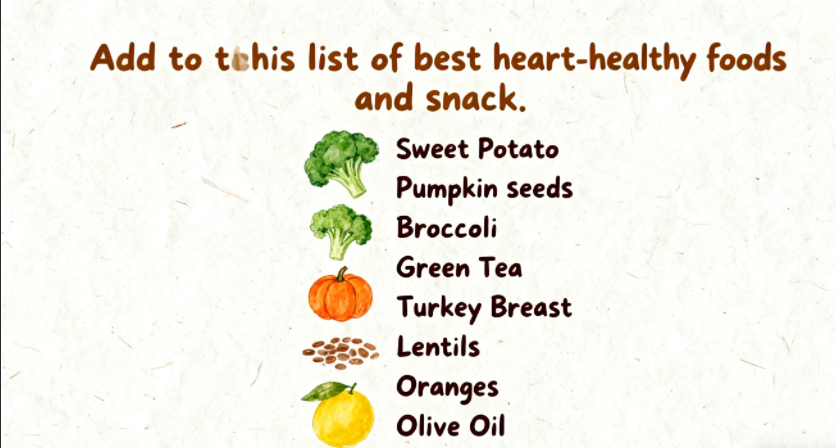
The National Heart Centre Singapore points out that an unhealthy diet increases people’s risk of developing heart disease. The food we eat definitely affects our health, so it is very important to incorporate heart-healthy foods into our daily diet.
A heart-healthy diet starts with… surprise!… heart-healthy ingredients. Here are some tips for selecting and preparing foods that support heart health.
What is a heart-healthy diet?
In my opinion, calling a diet “heart-healthy” can be a bit misleading. It seems to suggest that a heart-healthy diet is somehow different from a general “healthy diet,” but they are actually one and the same.
A heart-healthy diet, also known as a “cardiac diet,” refers to a variety of nutritious foods, including lean proteins, plenty of fruits and vegetables, moderate fiber, and moderate amounts of sugar, salt, and saturated fats. In my view, this is what a healthy eating habit should be!
My Top 10 Heart-Healthy Foods List
If you only have a few minutes to go grocery shopping, here’s a list of heart-healthy foods and ingredients to stock up on in your fridge and pantry:
- Fatty fish, such as salmon and trout
- Lentils and legumes, including soybeans
- Whole grains, such as brown rice, quinoa, and oats
- Fat-free dairy products
- Nuts and seeds, such as walnuts, almonds, flaxseeds, and chia seeds
- Vegetables, especially leafy greens and tomatoes
- Fruits, especially berries
- Heart-healthy fats, such as extra virgin olive oil and cold-pressed canola oil; avocados
- Chicken and poultry breast
- Dark chocolate occasionally
A heart-healthy diet not only supports heart health but also promotes overall well-being in multiple ways. Low-fat protein foods keep you full and provide your body with the nutrients needed to build and repair important bodily proteins, while controlling total fat and saturated fat intake.
Proper carbohydrates supply the body with required fuel, along with abundant vitamins, minerals, and fiber. Meanwhile, a small amount of appropriate fats provide essential fatty acids and flavor.
Combining these foods creates a nutritionally balanced and delicious diet.
Heart-Healthy Proteins
Why are they good for the heart?
Protein intake every day provides the body with essential building blocks for hundreds of bodily functions. Protein is found in various plant and animal foods, but saturated fats often come along with it, especially in animal proteins.
Meat naturally contains more saturated fat and cholesterol than poultry, while poultry has more fat than seafood. If you consume dairy products, it’s best to choose skimmed or low-fat options. Plant proteins (such as soy protein, beans, and lentils) are naturally cholesterol-free and low in saturated fats. Fish is an excellent source of heart-healthy omega-3 fatty acids.
What to note?
Choose plant proteins like lentils and legumes, especially complete proteins from soybeans and soy products. Additionally, include eggs, fish and seafood, poultry (especially white meat), skimmed and low-fat dairy products, and lean meat occasionally.
How to add them to your diet
- Try having several vegetarian meals a week, relying on beans, lentils, and soy products like tempeh and tofu for protein. Canned beans are more convenient to use.
- Also, aim to eat fish 2 to 3 times a week. For convenience, stock up on canned salmon, tuna, and frozen fish and shrimp.
- In recipes that call for meat or poultry, try substituting with tofu or seafood.
- Replace high-fat meats with low-fat alternatives (e.g., ground poultry instead of ground beef).
Heart-Healthy Carbohydrates
Why are they good for the heart?
Carbohydrates are the body’s main source of fuel. Their fiber content also keeps you full, helping you control your weight. Many fruits and vegetables are rich in potassium, which supports healthy blood pressure. Soluble fiber found in apples, oranges, carrots, oats, barley, and beans traps water and cholesterol in the digestive tract, thus helping control blood cholesterol levels.
Some fruits and vegetables are also good sources of nitrates, compounds the body uses to make nitric oxide, which supports vascular health. Try to limit carbohydrate intake from sugar and refined grains, as they provide fewer nutrients and more calories per bite.
What to note?
Focus on vegetables, whole fruits, whole grains, and whole-grain products to supply the body’s carbohydrate needs. Minimize intake of sweets, fruit juices, sugary drinks, and refined grain products (such as white rice) as well as “white” flour products (such as regular pasta, white bread, cereals, and cookies).
How to add heart-healthy carbohydrates to your diet:
- Include fruit or vegetables in every meal and snack.
- Add fruits and vegetables to protein shakes and enjoy them as snacks.
- Incorporate vegetables into soups, stews, casseroles, and dishes.
- Frozen fruits and vegetables are healthy, convenient, and just as nutritious as fresh ones. To retain nutrients in vegetables, cook them by steaming, microwaving, or stir-frying.
- Choose whole grains such as brown rice, barley, quinoa, wild rice, and oats instead of refined grains.
Heart-Healthy Fats
Why are they good for the heart?
The human body needs a small amount of fat to function properly. What matters is choosing the right fats and maintaining moderate total fat intake. In general, fats derived from plants are more heart-healthy than animal fats. Animal fats contain more saturated fats, which tend to raise blood cholesterol levels.
What to note?
Nuts, seeds, avocados, and olives are the best sources of healthy fats, as well as oils extracted from these foods. Olive oil and cold-pressed canola oil are good sources of monounsaturated fatty acids and are ideal for cooking. A small amount of nuts and seeds can add a lot of flavor to dishes. Limit intake of saturated fats such as butter and shortening. Also, eat less food high in animal fats, such as cheese, fatty meat, and ice cream.
How to add heart-healthy fats to your diet?
- Use olive oil and canola oil for cooking. You can also consider using other heart-healthy oils.
- Replace foods like mayonnaise, sour cream, or butter with mashed avocado in cooking and at the table.
- Eat nuts in moderation as snacks (heart-healthy but high in calories).
Heart-Healthy Diet for Vegetarians and Vegans
The advantage of a well-planned vegan or vegetarian diet is that it is naturally plant-based, meaning it provides plenty of fiber and phytonutrients while being naturally low in cholesterol and saturated fats. With an abundance of fruits, vegetables, whole grains, beans, lentils, nuts, and seeds, it’s easy to meet the requirements for heart-healthy carbohydrates and fats.
Beans, especially soybeans and soy products, as well as whole grains, are heart-healthy protein sources, so that box is easily checked. However, one of the biggest challenges, especially for strict vegans, is getting enough protein from plants.
Since the human body cannot produce all the essential amino acids, it needs to obtain them from food. For meat-eaters, this is not a problem because all animal products are complete proteins (i.e., they contain all essential amino acids in the correct proportions). The issue for vegetarians is that, except for soybeans, most plant-based foods lack one or more essential amino acids and are therefore considered incomplete.
Fortunately, there is a fairly simple solution: combine plant sources to provide all the essential amino acids the body needs. For example, the essential amino acids lacking in beans, peas, or lentils are abundant in grains. Therefore, when you pair black beans with rice, or have a bowl of lentil soup with whole-grain bread, you can provide your body with all the essential amino acids it needs.
Another convenient way to boost protein is to add vegetarian or vegan protein powder to foods like smoothies, yogurt, and oatmeal. To make vegetarian or vegan meals even healthier, add plenty of raw and cooked vegetables, sprinkle nuts or seeds on vegetables, add avocado to salads, use heart-healthy oils in cooking, and include a serving of fruit in desserts.
With the right knowledge and a few key adjustments to your diet, you can create simple, delicious, and nutrient-rich heart-healthy meals that your body needs.
Home
detail
Add to your list of best heart-healthy foods and snacks
2025-11-07T16:23:36
The National Heart Centre Singapore points out that an unhealthy diet increases people’s risk of developing heart disease. The food we eat definitely affects our health, so it is very important to incorporate heart-healthy foods into our daily diet.
A heart-healthy diet starts with… surprise!… heart-healthy ingredients. Here are some tips for selecting and preparing foods that support heart health.
What is a heart-healthy diet?
In my opinion, calling a diet “heart-healthy” can be a bit misleading. It seems to suggest that a heart-healthy diet is somehow different from a general “healthy diet,” but they are actually one and the same.
A heart-healthy diet, also known as a “cardiac diet,” refers to a variety of nutritious foods, including lean proteins, plenty of fruits and vegetables, moderate fiber, and moderate amounts of sugar, salt, and saturated fats. In my view, this is what a healthy eating habit should be!
My Top 10 Heart-Healthy Foods List
If you only have a few minutes to go grocery shopping, here’s a list of heart-healthy foods and ingredients to stock up on in your fridge and pantry:
- Fatty fish, such as salmon and trout
- Lentils and legumes, including soybeans
- Whole grains, such as brown rice, quinoa, and oats
- Fat-free dairy products
- Nuts and seeds, such as walnuts, almonds, flaxseeds, and chia seeds
- Vegetables, especially leafy greens and tomatoes
- Fruits, especially berries
- Heart-healthy fats, such as extra virgin olive oil and cold-pressed canola oil; avocados
- Chicken and poultry breast
- Dark chocolate occasionally
A heart-healthy diet not only supports heart health but also promotes overall well-being in multiple ways. Low-fat protein foods keep you full and provide your body with the nutrients needed to build and repair important bodily proteins, while controlling total fat and saturated fat intake.
Proper carbohydrates supply the body with required fuel, along with abundant vitamins, minerals, and fiber. Meanwhile, a small amount of appropriate fats provide essential fatty acids and flavor.
Combining these foods creates a nutritionally balanced and delicious diet.
Heart-Healthy Proteins
Why are they good for the heart?
Protein intake every day provides the body with essential building blocks for hundreds of bodily functions. Protein is found in various plant and animal foods, but saturated fats often come along with it, especially in animal proteins.
Meat naturally contains more saturated fat and cholesterol than poultry, while poultry has more fat than seafood. If you consume dairy products, it’s best to choose skimmed or low-fat options. Plant proteins (such as soy protein, beans, and lentils) are naturally cholesterol-free and low in saturated fats. Fish is an excellent source of heart-healthy omega-3 fatty acids.
What to note?
Choose plant proteins like lentils and legumes, especially complete proteins from soybeans and soy products. Additionally, include eggs, fish and seafood, poultry (especially white meat), skimmed and low-fat dairy products, and lean meat occasionally.
How to add them to your diet
- Try having several vegetarian meals a week, relying on beans, lentils, and soy products like tempeh and tofu for protein. Canned beans are more convenient to use.
- Also, aim to eat fish 2 to 3 times a week. For convenience, stock up on canned salmon, tuna, and frozen fish and shrimp.
- In recipes that call for meat or poultry, try substituting with tofu or seafood.
- Replace high-fat meats with low-fat alternatives (e.g., ground poultry instead of ground beef).
Heart-Healthy Carbohydrates
Why are they good for the heart?
Carbohydrates are the body’s main source of fuel. Their fiber content also keeps you full, helping you control your weight. Many fruits and vegetables are rich in potassium, which supports healthy blood pressure. Soluble fiber found in apples, oranges, carrots, oats, barley, and beans traps water and cholesterol in the digestive tract, thus helping control blood cholesterol levels.
Some fruits and vegetables are also good sources of nitrates, compounds the body uses to make nitric oxide, which supports vascular health. Try to limit carbohydrate intake from sugar and refined grains, as they provide fewer nutrients and more calories per bite.
What to note?
Focus on vegetables, whole fruits, whole grains, and whole-grain products to supply the body’s carbohydrate needs. Minimize intake of sweets, fruit juices, sugary drinks, and refined grain products (such as white rice) as well as “white” flour products (such as regular pasta, white bread, cereals, and cookies).
How to add heart-healthy carbohydrates to your diet:
- Include fruit or vegetables in every meal and snack.
- Add fruits and vegetables to protein shakes and enjoy them as snacks.
- Incorporate vegetables into soups, stews, casseroles, and dishes.
- Frozen fruits and vegetables are healthy, convenient, and just as nutritious as fresh ones. To retain nutrients in vegetables, cook them by steaming, microwaving, or stir-frying.
- Choose whole grains such as brown rice, barley, quinoa, wild rice, and oats instead of refined grains.
Heart-Healthy Fats
Why are they good for the heart?
The human body needs a small amount of fat to function properly. What matters is choosing the right fats and maintaining moderate total fat intake. In general, fats derived from plants are more heart-healthy than animal fats. Animal fats contain more saturated fats, which tend to raise blood cholesterol levels.
What to note?
Nuts, seeds, avocados, and olives are the best sources of healthy fats, as well as oils extracted from these foods. Olive oil and cold-pressed canola oil are good sources of monounsaturated fatty acids and are ideal for cooking. A small amount of nuts and seeds can add a lot of flavor to dishes. Limit intake of saturated fats such as butter and shortening. Also, eat less food high in animal fats, such as cheese, fatty meat, and ice cream.
How to add heart-healthy fats to your diet?
- Use olive oil and canola oil for cooking. You can also consider using other heart-healthy oils.
- Replace foods like mayonnaise, sour cream, or butter with mashed avocado in cooking and at the table.
- Eat nuts in moderation as snacks (heart-healthy but high in calories).
Heart-Healthy Diet for Vegetarians and Vegans
The advantage of a well-planned vegan or vegetarian diet is that it is naturally plant-based, meaning it provides plenty of fiber and phytonutrients while being naturally low in cholesterol and saturated fats. With an abundance of fruits, vegetables, whole grains, beans, lentils, nuts, and seeds, it’s easy to meet the requirements for heart-healthy carbohydrates and fats.
Beans, especially soybeans and soy products, as well as whole grains, are heart-healthy protein sources, so that box is easily checked. However, one of the biggest challenges, especially for strict vegans, is getting enough protein from plants.
Since the human body cannot produce all the essential amino acids, it needs to obtain them from food. For meat-eaters, this is not a problem because all animal products are complete proteins (i.e., they contain all essential amino acids in the correct proportions). The issue for vegetarians is that, except for soybeans, most plant-based foods lack one or more essential amino acids and are therefore considered incomplete.
Fortunately, there is a fairly simple solution: combine plant sources to provide all the essential amino acids the body needs. For example, the essential amino acids lacking in beans, peas, or lentils are abundant in grains. Therefore, when you pair black beans with rice, or have a bowl of lentil soup with whole-grain bread, you can provide your body with all the essential amino acids it needs.
Another convenient way to boost protein is to add vegetarian or vegan protein powder to foods like smoothies, yogurt, and oatmeal. To make vegetarian or vegan meals even healthier, add plenty of raw and cooked vegetables, sprinkle nuts or seeds on vegetables, add avocado to salads, use heart-healthy oils in cooking, and include a serving of fruit in desserts.
With the right knowledge and a few key adjustments to your diet, you can create simple, delicious, and nutrient-rich heart-healthy meals that your body needs.
More Than “Just a Headache”: A Doctor’s Guide to Understanding and Conquering Migraines
2025-08-24T16:44:25
How to quickly earn your first US dollar on YouTube (personal experience: as fast as a few hours)
2025-08-19T16:04:18
Is Your Refrigerator a Health Hazard? 4 “Fresh” Foods That Could Be Making You Sick
2025-09-23T10:56:05