For those unfamiliar with the dark web, it’s a virtual realm that extends beyond the everyday internet, including the sites you’re currently browsing. It’s not indexed by search engines like Google or Bing, and accessing it requires specialized tools.
Here, you might encounter everything from data breaches and illicit transactions to legitimate online activities that users prefer to conduct without drawing attention from law enforcement or governments. For better or worse, this is a less regulated and more secretive corner of the internet.
Intrigued? I’ll explain how to navigate the dark web and what you can find there—of course, we do not endorse any illegal activities, so I won’t guide you on how to engage in anything unlawful.
The Deep Web vs. the Dark Web: What’s the Difference?
These terms often appear online, but their meanings can be confusing. Let’s start with the “deep web”: It refers to all internet content not indexed by standard search engines, including pages behind paywalls, private databases, email archives, corporate intranets, and more.
Consider sections of the web you can’t access without logging in, from academic journals to your Netflix account dashboard—that’s the deep web. Estimates suggest it comprises about 90% of the internet, representing a vast portion of the online world.
The dark web, which is the focus here, is a small subset of the deep web. It consists of intentionally hidden websites that offer enhanced anonymity and data security. To access them, you need specialized software—you can’t reach these sites through a regular web browser like you might with other deep web content.
The dark web has its own ecosystem of tools and services, including dedicated browsers and search engines (which I’ll cover in detail shortly). It’s called the “dark” web partly because it’s inaccessible via standard browsers and can’t be found through typical Google searches.
This anonymous and private space on the internet naturally fosters some illegal activities: hacking tools, drugs, counterfeit passports, explicit content, firearms, and more are traded there. It’s akin to wandering through the seedier parts of a city in real life, encountering associated risks.
However, many legitimate and ethical online activities require privacy and anonymity. Journalists, whistleblowers, and political activists rely on the dark web for its protective features. Essentially, any task that demands confidentiality for valid reasons can be conducted there.
You’ll Need a Dark Web Browser to Access It
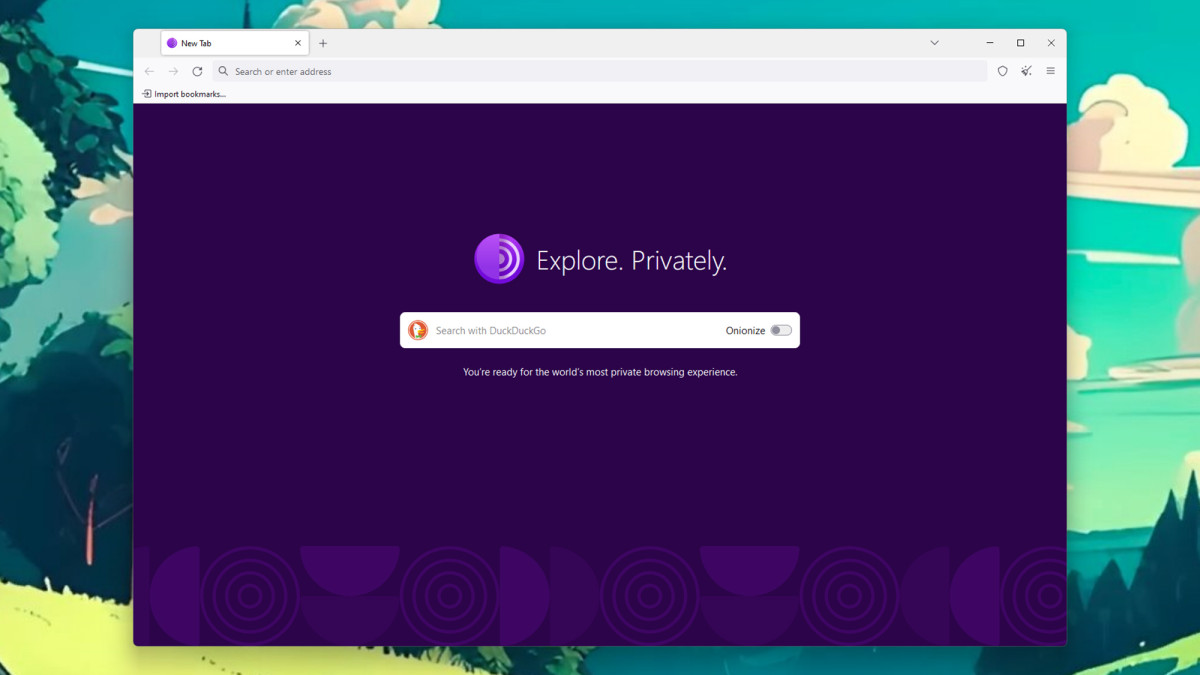
To enter the dark web, you’ll require a browser specifically designed for it, and the industry standard is Tor. Tor is a browser engineered for superior security and privacy, suitable for both the surface web and the dark web. It blocks trackers, prevents fingerprinting, encrypts data, and reroutes your browsing path to obscure your location.
Think of Tor as the gateway to the dark web; it even offers mobile apps for Android and iOS. While other browsers can access the dark web, Tor is generally recommended as the top choice for most users due to its robust features and user-friendly interface.
Tor’s core technology is onion routing, named for its layered obfuscation between you and the network—much like the layers of an onion. Your traffic bounces through multiple nodes, which slows down browsing compared to standard speeds but makes it exceedingly difficult for others to identify who you are or where you’re located.
Even with Tor and onion routing installed, you won’t achieve complete invisibility to act without consequences. Certain details of your traffic might be intercepted at entry or exit nodes by those operating them, if they know what to look for. You’re also vulnerable to threats like end-to-end correlation attacks. Thus, while Tor offers significantly heightened security and privacy, it’s not foolproof.
Remember, your internet service provider (ISP) can still detect that you’re connecting to Tor nodes, even if they don’t know what you’re doing. Many users pair Tor with a VPN, but this shifts trust to a third party, hoping they won’t log or report your activities.
True cybersecurity also involves safeguarding physical data on your device—law enforcement or governments could seize it if warranted. Connecting to the dark web via Tor is a crucial step toward untraceability, but it’s not the only measure required.
Dark Web Search Engines
Launching Tor won’t immediately immerse you in the dark web. Beyond a dark web browser, you’ll need a dark web search engine to locate sites, though you can also visit them directly if you know the .onion address, similar to a standard URL.
DuckDuckGo serves as Tor’s default search engine; simply enable the Onionize toggle in the search bar to find dark web links. These typically end in “.onion” rather than “.com” like conventional sites.
Other noteworthy dark web search engines include Ahmia, Torch, NotEvil, and directories of onion sites—just enter keywords for what you’re seeking. Some of these can be discovered via regular browsers, but once you have an onion link, switch to Tor to access it.
Dark Web Websites
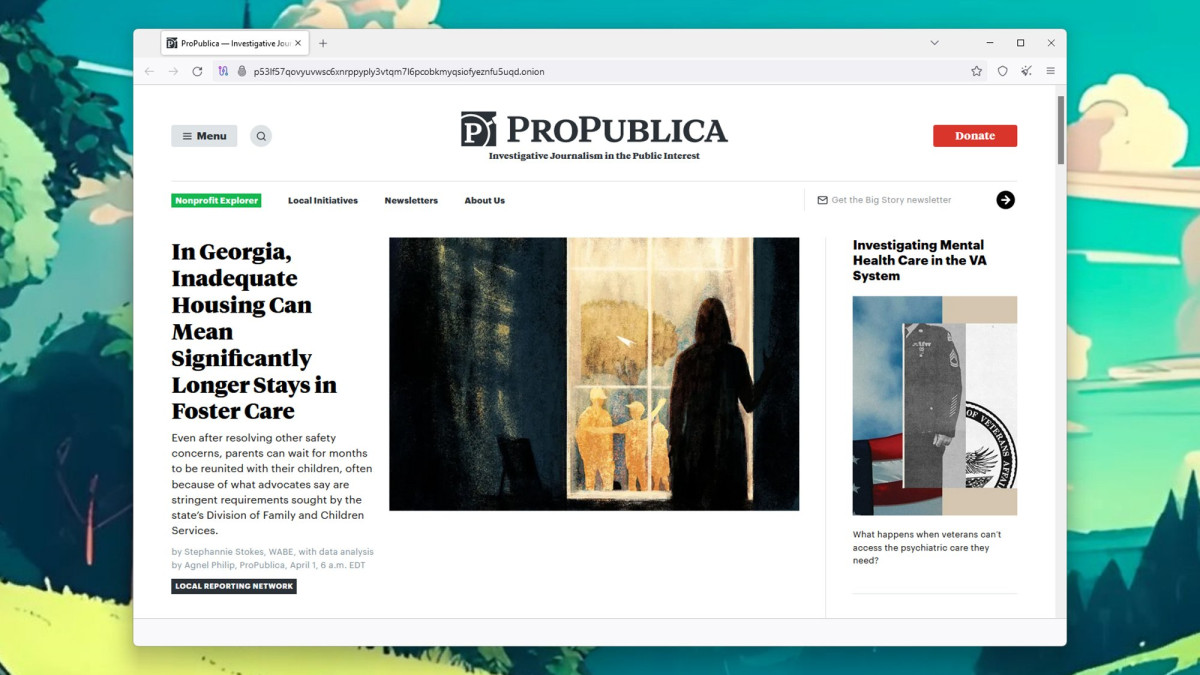
Websites on the dark web resemble ordinary sites, though many have a rougher, less polished design (aesthetics take a backseat in this part of the internet). Click a link, and the site loads with its address displayed at the top.
Notable dark web sites include mirrors of BBC and ProPublica for investigative journalism, helping people in heavily censored countries access uncensored information.
Given the dark web’s associations and the illegal activities it hosts, you won’t find many mainstream sites. Much of it consists of volunteer-maintained wikis, forums, and niche communities. Still, there’s plenty to explore for those interested in privacy-focused content.
What Is Sold on the Dark Web
As I’ve alluded to, the dark web is far from a platform like eBay. Virtually anything illicit you can imagine is available for download or purchase there.
For obvious reasons—to avoid getting either of us in trouble—I won’t delve into specifics about what you can find. Many transactions use cryptocurrencies like Bitcoin, which offer relative (but not absolute) privacy and anonymity. Another popular option is Monero, prized for its untraceable nature.
That said, don’t assume any dark web transaction is unlinkable to you—law enforcement has become adept at tracking those who believe they’re operating in the shadows. Even with a private, anonymous crypto wallet, your identity could be exposed through other means, such as inadvertently revealing personal details in messages.
Overall, there’s little reason to shift legitimate shopping to the dark web. Its structure and the types of goods often sold attract scammers and hackers, with minimal recourse if you’re defrauded.
Is the Dark Web Illegal?
The dark web itself isn’t illegal, and simply accessing it won’t land you in trouble. However, it’s a hub for many unlawful activities because they’re harder for authorities to detect.
You may see news stories about dark web-related crimes, which can deter law-abiding users and companies. Parts of the dark web are periodically shut down in police operations.
With this in mind, exercise caution when browsing—both in the sites you visit and interactions with users. Laws on free speech and censorship vary by country, which is partly why the dark web exists.
Monitoring Underground Hacking Activity
Hackers spend considerable time on the dark web, where obtaining hacking tools and breached data isn’t difficult. However, identifying those uploading or downloading it is much harder.
If you use a password manager, it might include a feature to monitor the dark web for mentions of your email, passwords, or other personal info. Password management services from Apple and Google also build in this capability, so you don’t need to manually search for data breaches.
As mentioned earlier, it’s best to minimize dark web interactions unless you fully trust your counterparts. The old adage “look, but don’t touch” applies well to browsing the dark web.
Home
detail
How to Access the Dark Web
2025-09-09T14:42:53
For those unfamiliar with the dark web, it’s a virtual realm that extends beyond the everyday internet, including the sites you’re currently browsing. It’s not indexed by search engines like Google or Bing, and accessing it requires specialized tools.
Here, you might encounter everything from data breaches and illicit transactions to legitimate online activities that users prefer to conduct without drawing attention from law enforcement or governments. For better or worse, this is a less regulated and more secretive corner of the internet.
Intrigued? I’ll explain how to navigate the dark web and what you can find there—of course, we do not endorse any illegal activities, so I won’t guide you on how to engage in anything unlawful.
The Deep Web vs. the Dark Web: What’s the Difference?
These terms often appear online, but their meanings can be confusing. Let’s start with the “deep web”: It refers to all internet content not indexed by standard search engines, including pages behind paywalls, private databases, email archives, corporate intranets, and more.
Consider sections of the web you can’t access without logging in, from academic journals to your Netflix account dashboard—that’s the deep web. Estimates suggest it comprises about 90% of the internet, representing a vast portion of the online world.
The dark web, which is the focus here, is a small subset of the deep web. It consists of intentionally hidden websites that offer enhanced anonymity and data security. To access them, you need specialized software—you can’t reach these sites through a regular web browser like you might with other deep web content.
The dark web has its own ecosystem of tools and services, including dedicated browsers and search engines (which I’ll cover in detail shortly). It’s called the “dark” web partly because it’s inaccessible via standard browsers and can’t be found through typical Google searches.
This anonymous and private space on the internet naturally fosters some illegal activities: hacking tools, drugs, counterfeit passports, explicit content, firearms, and more are traded there. It’s akin to wandering through the seedier parts of a city in real life, encountering associated risks.
However, many legitimate and ethical online activities require privacy and anonymity. Journalists, whistleblowers, and political activists rely on the dark web for its protective features. Essentially, any task that demands confidentiality for valid reasons can be conducted there.
You’ll Need a Dark Web Browser to Access It
To enter the dark web, you’ll require a browser specifically designed for it, and the industry standard is Tor. Tor is a browser engineered for superior security and privacy, suitable for both the surface web and the dark web. It blocks trackers, prevents fingerprinting, encrypts data, and reroutes your browsing path to obscure your location.
Think of Tor as the gateway to the dark web; it even offers mobile apps for Android and iOS. While other browsers can access the dark web, Tor is generally recommended as the top choice for most users due to its robust features and user-friendly interface.
Tor’s core technology is onion routing, named for its layered obfuscation between you and the network—much like the layers of an onion. Your traffic bounces through multiple nodes, which slows down browsing compared to standard speeds but makes it exceedingly difficult for others to identify who you are or where you’re located.
Even with Tor and onion routing installed, you won’t achieve complete invisibility to act without consequences. Certain details of your traffic might be intercepted at entry or exit nodes by those operating them, if they know what to look for. You’re also vulnerable to threats like end-to-end correlation attacks. Thus, while Tor offers significantly heightened security and privacy, it’s not foolproof.
Remember, your internet service provider (ISP) can still detect that you’re connecting to Tor nodes, even if they don’t know what you’re doing. Many users pair Tor with a VPN, but this shifts trust to a third party, hoping they won’t log or report your activities.
True cybersecurity also involves safeguarding physical data on your device—law enforcement or governments could seize it if warranted. Connecting to the dark web via Tor is a crucial step toward untraceability, but it’s not the only measure required.
Dark Web Search Engines
Launching Tor won’t immediately immerse you in the dark web. Beyond a dark web browser, you’ll need a dark web search engine to locate sites, though you can also visit them directly if you know the .onion address, similar to a standard URL.
DuckDuckGo serves as Tor’s default search engine; simply enable the Onionize toggle in the search bar to find dark web links. These typically end in “.onion” rather than “.com” like conventional sites.
Other noteworthy dark web search engines include Ahmia, Torch, NotEvil, and directories of onion sites—just enter keywords for what you’re seeking. Some of these can be discovered via regular browsers, but once you have an onion link, switch to Tor to access it.
Dark Web Websites
Websites on the dark web resemble ordinary sites, though many have a rougher, less polished design (aesthetics take a backseat in this part of the internet). Click a link, and the site loads with its address displayed at the top.
Notable dark web sites include mirrors of BBC and ProPublica for investigative journalism, helping people in heavily censored countries access uncensored information.
Given the dark web’s associations and the illegal activities it hosts, you won’t find many mainstream sites. Much of it consists of volunteer-maintained wikis, forums, and niche communities. Still, there’s plenty to explore for those interested in privacy-focused content.
What Is Sold on the Dark Web
As I’ve alluded to, the dark web is far from a platform like eBay. Virtually anything illicit you can imagine is available for download or purchase there.
For obvious reasons—to avoid getting either of us in trouble—I won’t delve into specifics about what you can find. Many transactions use cryptocurrencies like Bitcoin, which offer relative (but not absolute) privacy and anonymity. Another popular option is Monero, prized for its untraceable nature.
That said, don’t assume any dark web transaction is unlinkable to you—law enforcement has become adept at tracking those who believe they’re operating in the shadows. Even with a private, anonymous crypto wallet, your identity could be exposed through other means, such as inadvertently revealing personal details in messages.
Overall, there’s little reason to shift legitimate shopping to the dark web. Its structure and the types of goods often sold attract scammers and hackers, with minimal recourse if you’re defrauded.
Is the Dark Web Illegal?
The dark web itself isn’t illegal, and simply accessing it won’t land you in trouble. However, it’s a hub for many unlawful activities because they’re harder for authorities to detect.
You may see news stories about dark web-related crimes, which can deter law-abiding users and companies. Parts of the dark web are periodically shut down in police operations.
With this in mind, exercise caution when browsing—both in the sites you visit and interactions with users. Laws on free speech and censorship vary by country, which is partly why the dark web exists.
Monitoring Underground Hacking Activity
Hackers spend considerable time on the dark web, where obtaining hacking tools and breached data isn’t difficult. However, identifying those uploading or downloading it is much harder.
If you use a password manager, it might include a feature to monitor the dark web for mentions of your email, passwords, or other personal info. Password management services from Apple and Google also build in this capability, so you don’t need to manually search for data breaches.
As mentioned earlier, it’s best to minimize dark web interactions unless you fully trust your counterparts. The old adage “look, but don’t touch” applies well to browsing the dark web.