What a Balanced Nutrition Looks Like: 7 Essential Nutrients
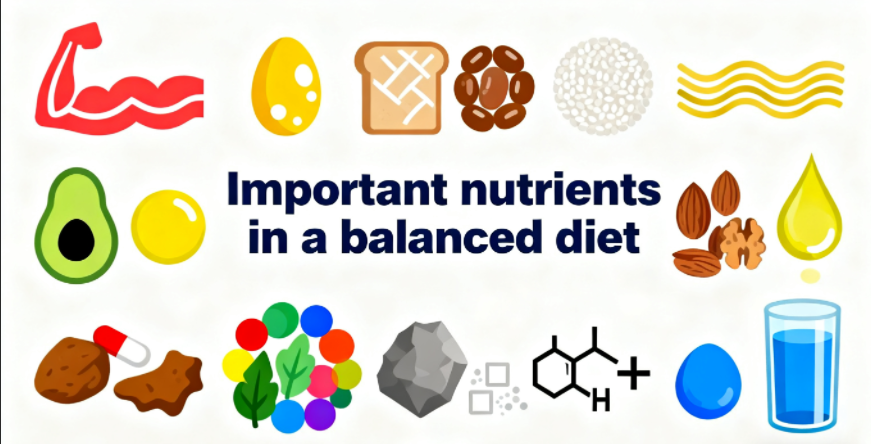
Below are the seven key components of a balanced diet, helping you visualize your daily nutritional goals:
1. Protein
Protein is a macronutrient crucial for nearly every cell in the body. We use protein to produce important molecules such as hormones and enzymes, as well as to build and maintain muscle tissue. It also keeps you feeling full effectively.
The body constantly assembles, breaks down, and uses protein. Therefore, it is vital to consume enough protein daily to replace what is used up. We recommend that 30% of the calories you intake each day come from lean plant-based or animal-based protein.
Examples:
- Animal sources: Poultry, dairy products, fish, and eggs
- Plant-based sources: Nuts, lentils, beans (including soybeans), or tofu
- Protein powder and protein shakes
2. Carbohydrates
Our bodies prefer another macronutrient—carbohydrates—as fuel. Thus, it is important to consume enough carbohydrates daily. We suggest getting approximately 40% of your calories from carbohydrates in whole grains, vegetables, and fruits, rather than from sugary, starchy carbohydrates in baked goods, soda, or candy.
Examples:
- Fruits
- Vegetables
- Whole grains (e.g., brown rice, quinoa, or barley); whole-wheat bread, cereal, crackers, and pasta
3. Fats
The body also needs a small amount of healthy fats, but avoid overconsumption for now—you may already be getting enough. Fats are a very calorie-dense energy source, which is why the Herbalife nutrition philosophy recommends limiting fats to 30% or less of your daily calorie intake.
Examples:
- Fish
- Nuts
- Healthy oils (e.g., olive oil, canola oil, and sunflower oil)
- Avocados
4. Vitamins and Minerals
Vitamins and minerals are involved in many chemical reactions the body undergoes daily. Many minerals (such as calcium and magnesium) also play structural roles in the body. A balanced diet helps provide the vitamins and minerals you need, and taking a daily multivitamin-mineral supplement can help you get adequate amounts of these nutrients.
5. Phytonutrients
Plant-based foods produce a variety of natural compounds called phytonutrients. They offer many benefits, such as disease prevention, immune enhancement, and DNA damage repair. Their pigments give fruits and vegetables their vibrant colors—this is why it is important to eat colorful, plant-rich foods.
Examples:
- 4.5 cups of colorful fruits and vegetables per day
- At least 3 different colors in each meal
- A wide variety of foods throughout the week
6. Fiber
Fiber supports the digestive process, helps you feel full, and promotes the growth of beneficial bacteria in the digestive tract. Whole fruits, vegetables, whole grains, and beans are the best sources of dietary fiber. If you cannot get the recommended grams per day, you may consider a dietary fiber supplement.
Examples:
- Fruits and vegetables
- Whole grains
- Beans
7. Water
The human body is 70% water, so it is no surprise that we need to stay hydrated to maintain good health. The body uses water to transport nutrients to cells and remove waste. It also helps regulate body temperature and lubricate joints, organs, and tissues. A general recommendation is to drink about eight 240-milliliter glasses of fluids per day. Water should be the first choice, but other beverages can also meet your daily fluid needs.
Examples:
- Plain water, sparkling water, or fruit-infused water
- Tea
- Coffee
When it comes to balancing calories, you can control both sides of the calorie equation. You can regulate your intake by counting calories, controlling how much you eat, and tracking the calories you burn each day through staying active. Therefore, whether your goal is to lose, gain, or maintain weight, the power is in your hands.
Home
detail
Important nutrients in a balanced diet
2025-10-31T12:18:29
What a Balanced Nutrition Looks Like: 7 Essential Nutrients
Below are the seven key components of a balanced diet, helping you visualize your daily nutritional goals:
1. Protein
Protein is a macronutrient crucial for nearly every cell in the body. We use protein to produce important molecules such as hormones and enzymes, as well as to build and maintain muscle tissue. It also keeps you feeling full effectively.
The body constantly assembles, breaks down, and uses protein. Therefore, it is vital to consume enough protein daily to replace what is used up. We recommend that 30% of the calories you intake each day come from lean plant-based or animal-based protein.
Examples:
- Animal sources: Poultry, dairy products, fish, and eggs
- Plant-based sources: Nuts, lentils, beans (including soybeans), or tofu
- Protein powder and protein shakes
2. Carbohydrates
Our bodies prefer another macronutrient—carbohydrates—as fuel. Thus, it is important to consume enough carbohydrates daily. We suggest getting approximately 40% of your calories from carbohydrates in whole grains, vegetables, and fruits, rather than from sugary, starchy carbohydrates in baked goods, soda, or candy.
Examples:
- Fruits
- Vegetables
- Whole grains (e.g., brown rice, quinoa, or barley); whole-wheat bread, cereal, crackers, and pasta
3. Fats
The body also needs a small amount of healthy fats, but avoid overconsumption for now—you may already be getting enough. Fats are a very calorie-dense energy source, which is why the Herbalife nutrition philosophy recommends limiting fats to 30% or less of your daily calorie intake.
Examples:
- Fish
- Nuts
- Healthy oils (e.g., olive oil, canola oil, and sunflower oil)
- Avocados
4. Vitamins and Minerals
Vitamins and minerals are involved in many chemical reactions the body undergoes daily. Many minerals (such as calcium and magnesium) also play structural roles in the body. A balanced diet helps provide the vitamins and minerals you need, and taking a daily multivitamin-mineral supplement can help you get adequate amounts of these nutrients.
5. Phytonutrients
Plant-based foods produce a variety of natural compounds called phytonutrients. They offer many benefits, such as disease prevention, immune enhancement, and DNA damage repair. Their pigments give fruits and vegetables their vibrant colors—this is why it is important to eat colorful, plant-rich foods.
Examples:
- 4.5 cups of colorful fruits and vegetables per day
- At least 3 different colors in each meal
- A wide variety of foods throughout the week
6. Fiber
Fiber supports the digestive process, helps you feel full, and promotes the growth of beneficial bacteria in the digestive tract. Whole fruits, vegetables, whole grains, and beans are the best sources of dietary fiber. If you cannot get the recommended grams per day, you may consider a dietary fiber supplement.
Examples:
- Fruits and vegetables
- Whole grains
- Beans
7. Water
The human body is 70% water, so it is no surprise that we need to stay hydrated to maintain good health. The body uses water to transport nutrients to cells and remove waste. It also helps regulate body temperature and lubricate joints, organs, and tissues. A general recommendation is to drink about eight 240-milliliter glasses of fluids per day. Water should be the first choice, but other beverages can also meet your daily fluid needs.
Examples:
- Plain water, sparkling water, or fruit-infused water
- Tea
- Coffee
When it comes to balancing calories, you can control both sides of the calorie equation. You can regulate your intake by counting calories, controlling how much you eat, and tracking the calories you burn each day through staying active. Therefore, whether your goal is to lose, gain, or maintain weight, the power is in your hands.
Feeling Lost in the Kitchen? A Dietitian’s Guide to Finding Your Nutrition Personality
2025-08-12T14:15:43
Is Your Refrigerator a Health Hazard? 4 “Fresh” Foods That Could Be Making You Sick
2025-09-23T10:56:05