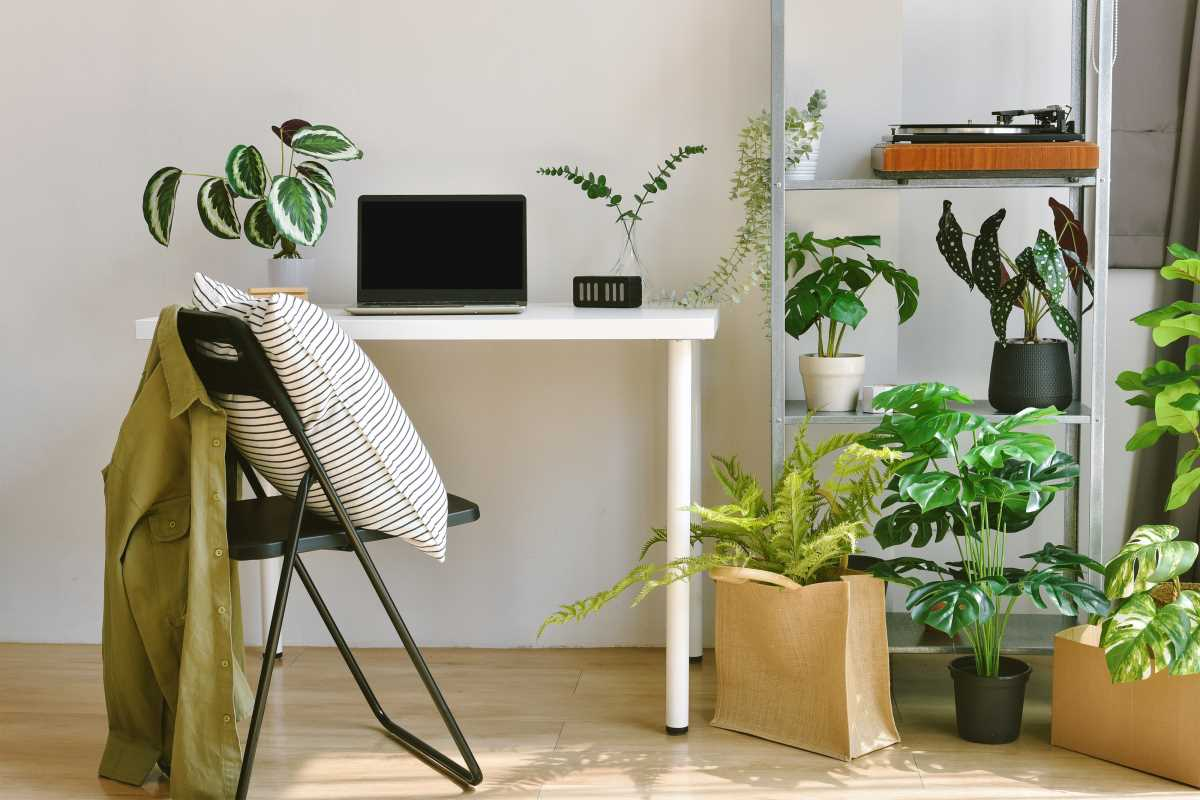
Picture stepping into a room that instantly calms your mind and lifts your spirit. The air feels fresh, sunlight pours through expansive windows, and lush greenery surrounds you. Sounds like a dream, doesn’t it? This is the essence of biophilic interior design—a trend that goes beyond aesthetics to create spaces that nurture your physical and mental well-being by weaving elements of nature into your home.
Biophilic design is gaining popularity for good reason. Research shows that environments inspired by nature can reduce stress, boost creativity, and even improve sleep quality. This isn’t just about making your home look beautiful; it’s about embracing a lifestyle that enhances your health and happiness. If you’re ready to transform your space into a sanctuary of calm and vitality, biophilic design could be your next big home project.
What Is Biophilic Design?
Biophilic design is an approach that connects people with the natural world through intentional design choices. The term “biophilic” comes from the Greek words for “love of life” or “living things,” reflecting the deep link between our well-being and the environment. Unlike typical decor trends, biophilic design focuses on creating harmony between indoor spaces and the natural world.
This goes far beyond placing a few potted plants on a shelf. Biophilic design integrates natural elements holistically—think living green walls, organic materials like wood and stone, or maximizing natural light to elevate a space’s ambiance. It’s versatile enough to work in any setting, from cozy homes to modern offices or even healthcare facilities. Spaces inspired by biophilic principles promote relaxation, sharpen focus, and foster a sense of peace, offering a respite from the demands of modern life.
Why Biophilic Design Benefits Your Health
Your environment profoundly shapes how you feel, and biophilic design harnesses nature’s soothing qualities to enhance both mental and physical health.
First, it can significantly reduce stress. Studies show that exposure to natural elements lowers cortisol levels, the hormone associated with stress. Being surrounded by greenery, natural textures, or open spaces creates a calming atmosphere. Even something as simple as a view of plants through a window can evoke a sense of tranquility.
Biophilic design also boosts focus and productivity. Natural light, for instance, regulates your circadian rhythm, helping you stay alert during the day and sleep better at night. For anyone juggling work, family, and personal responsibilities, this balance is invaluable.
Additionally, incorporating natural materials like wood or stone reduces reliance on synthetic compounds often found in industrial products, improving indoor air quality. Air-purifying plants, such as snake plants or pothos, further enhance this by filtering toxins and releasing oxygen, creating a healthier living environment.
How to Bring Nature into Your Space
If biophilic design excites you but feels daunting, the good news is you don’t need a complete overhaul to embrace it. Small, meaningful changes can infuse your space with a natural vibe.
One of the easiest starting points is adding plants. Potted plants, hanging vines, or terrariums can instantly breathe life into a room. If you’re new to plant care, low-maintenance options like snake plants, pothos, or succulents are perfect choices that thrive with minimal effort.
Natural light is another cornerstone of biophilic design. To maximize sunlight, opt for sheer curtains or strategically place mirrors to reflect light into darker corners. If your space lacks ample windows, consider warm, soft artificial lighting that mimics the glow of natural sunlight.
You can also incorporate materials that evoke nature. Swap plastic decor for wooden furniture, woven baskets, or stone accents. Textiles like cotton, wool, or jute—used in rugs, throws, or cushions—add warmth and an organic feel, grounding your space in nature’s embrace.
The Role of Color in Biophilic Design
Biophilic design isn’t just about physical elements; it relies heavily on nature-inspired color palettes. Think of soothing hues like moss green, earthy brown, sky blue, or sandy beige. These colors promote calm and balance, qualities we often crave in our fast-paced lives.
You can introduce these tones through paint, furniture, or smaller accents like artwork or throw pillows. For example, a green accent wall can evoke the serenity of a forest, while blue decor elements mimic the tranquility of water. The goal is to create a space that feels rooted in and connected to the natural world.
Beyond Aesthetics: The Deeper Value of Biophilic Design
The beauty of biophilic design lies not just in its visual appeal but in its ability to support a healthier, more sustainable lifestyle. Choosing eco-friendly materials benefits both your home and the planet by reducing environmental impact.
Biophilic design also encourages mindfulness. Surrounding yourself with natural elements invites you to slow down, breathe deeply, and savor the moment. From the gentle rustle of leaves to sunlight streaming through a window, these sensory experiences anchor you in the present in a way few other design trends can.
Whether you’re refreshing a single room or reimagining your entire home, biophilic interior design offers a practical and meaningful way to create a space that nurtures both you and the environment. By inviting a touch of nature into your life, you’re making a worthwhile investment in your well-being.
(Note: The original document references an image labeled “image1.png,” likely a visual complement to the content, such as an example of a biophilic interior. As this is a text-based translation, the image is not included but could be described or referenced further if details are provided.)
Home
detail
Bringing Nature into Your Space
2025-09-09T14:23:51
Picture stepping into a room that instantly calms your mind and lifts your spirit. The air feels fresh, sunlight pours through expansive windows, and lush greenery surrounds you. Sounds like a dream, doesn’t it? This is the essence of biophilic interior design—a trend that goes beyond aesthetics to create spaces that nurture your physical and mental well-being by weaving elements of nature into your home.
Biophilic design is gaining popularity for good reason. Research shows that environments inspired by nature can reduce stress, boost creativity, and even improve sleep quality. This isn’t just about making your home look beautiful; it’s about embracing a lifestyle that enhances your health and happiness. If you’re ready to transform your space into a sanctuary of calm and vitality, biophilic design could be your next big home project.
What Is Biophilic Design?
Biophilic design is an approach that connects people with the natural world through intentional design choices. The term “biophilic” comes from the Greek words for “love of life” or “living things,” reflecting the deep link between our well-being and the environment. Unlike typical decor trends, biophilic design focuses on creating harmony between indoor spaces and the natural world.
This goes far beyond placing a few potted plants on a shelf. Biophilic design integrates natural elements holistically—think living green walls, organic materials like wood and stone, or maximizing natural light to elevate a space’s ambiance. It’s versatile enough to work in any setting, from cozy homes to modern offices or even healthcare facilities. Spaces inspired by biophilic principles promote relaxation, sharpen focus, and foster a sense of peace, offering a respite from the demands of modern life.
Why Biophilic Design Benefits Your Health
Your environment profoundly shapes how you feel, and biophilic design harnesses nature’s soothing qualities to enhance both mental and physical health.
First, it can significantly reduce stress. Studies show that exposure to natural elements lowers cortisol levels, the hormone associated with stress. Being surrounded by greenery, natural textures, or open spaces creates a calming atmosphere. Even something as simple as a view of plants through a window can evoke a sense of tranquility.
Biophilic design also boosts focus and productivity. Natural light, for instance, regulates your circadian rhythm, helping you stay alert during the day and sleep better at night. For anyone juggling work, family, and personal responsibilities, this balance is invaluable.
Additionally, incorporating natural materials like wood or stone reduces reliance on synthetic compounds often found in industrial products, improving indoor air quality. Air-purifying plants, such as snake plants or pothos, further enhance this by filtering toxins and releasing oxygen, creating a healthier living environment.
How to Bring Nature into Your Space
If biophilic design excites you but feels daunting, the good news is you don’t need a complete overhaul to embrace it. Small, meaningful changes can infuse your space with a natural vibe.
One of the easiest starting points is adding plants. Potted plants, hanging vines, or terrariums can instantly breathe life into a room. If you’re new to plant care, low-maintenance options like snake plants, pothos, or succulents are perfect choices that thrive with minimal effort.
Natural light is another cornerstone of biophilic design. To maximize sunlight, opt for sheer curtains or strategically place mirrors to reflect light into darker corners. If your space lacks ample windows, consider warm, soft artificial lighting that mimics the glow of natural sunlight.
You can also incorporate materials that evoke nature. Swap plastic decor for wooden furniture, woven baskets, or stone accents. Textiles like cotton, wool, or jute—used in rugs, throws, or cushions—add warmth and an organic feel, grounding your space in nature’s embrace.
The Role of Color in Biophilic Design
Biophilic design isn’t just about physical elements; it relies heavily on nature-inspired color palettes. Think of soothing hues like moss green, earthy brown, sky blue, or sandy beige. These colors promote calm and balance, qualities we often crave in our fast-paced lives.
You can introduce these tones through paint, furniture, or smaller accents like artwork or throw pillows. For example, a green accent wall can evoke the serenity of a forest, while blue decor elements mimic the tranquility of water. The goal is to create a space that feels rooted in and connected to the natural world.
Beyond Aesthetics: The Deeper Value of Biophilic Design
The beauty of biophilic design lies not just in its visual appeal but in its ability to support a healthier, more sustainable lifestyle. Choosing eco-friendly materials benefits both your home and the planet by reducing environmental impact.
Biophilic design also encourages mindfulness. Surrounding yourself with natural elements invites you to slow down, breathe deeply, and savor the moment. From the gentle rustle of leaves to sunlight streaming through a window, these sensory experiences anchor you in the present in a way few other design trends can.
Whether you’re refreshing a single room or reimagining your entire home, biophilic interior design offers a practical and meaningful way to create a space that nurtures both you and the environment. By inviting a touch of nature into your life, you’re making a worthwhile investment in your well-being.
(Note: The original document references an image labeled “image1.png,” likely a visual complement to the content, such as an example of a biophilic interior. As this is a text-based translation, the image is not included but could be described or referenced further if details are provided.)